Application
Why Semiconductors Need Protection
Semiconductors, including diodes, thyristors, IGBTs, and MOSFETs, are integral to power conversion and electronic control systems. However, these components are highly sensitive to overcurrent conditions, such as short circuits or surges. Without adequate protection, these faults can lead to:
- Permanent damage to semiconductors
- System downtime and costly repairs
- Safety hazards for operators and equipment
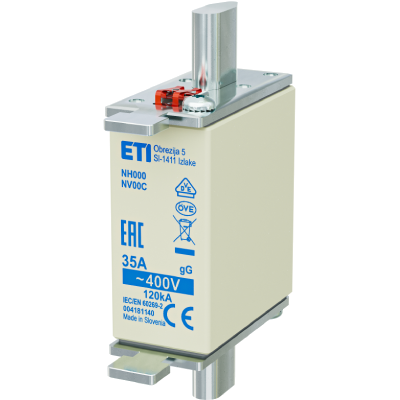
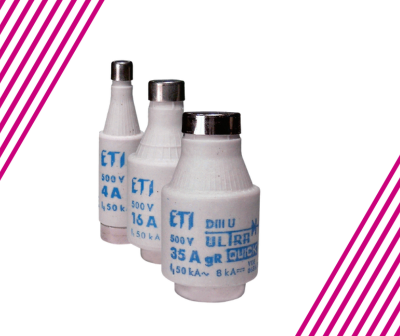
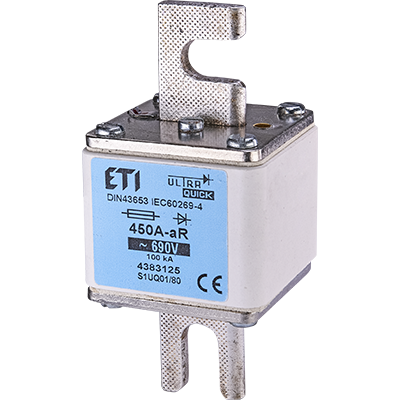
Fuses are a cost-effective and reliable solution to mitigate these risks by interrupting excessive current flow before it can harm the semiconductor.
Selecting the Right Fuse
Proper fuse selection is crucial for effective semiconductor protection. The user should be fully aware of the conditions under which the fuse will operate, including normal service and fault conditions. Some key selection criteria are:
- Load Current (Isem): The load current through the semiconductor should be less than or equal to the rated current of the selected fuse (Inv).
- Operating Voltage (Usem): The operating voltage on the semiconductor should be less than or equal to the rated voltage of the fuse-link (Unv).
- Operating I²t Values: The operating (pre-arcing + arcing) I²t values of the selected fuse-link (I²topv) should be lower than the I²t of the semiconductor (I²tsem).
For further guidance and specific application advice, the IEC 60146-6 standard provides recommendations for the protection of semiconductor convertors against overcurrent by fuses. You may also contact ETI's RD department for assistance with specific applications.
Additional points to consider:
- Fuses for semiconductor protection are essential for achieving Type 2 coordination for soft starters.
- The operational characteristics for circuit breakers are simply to slow, allowing too much energy to pass through, making them unsuitable for protection of drives.
- The use of fuses for semiconductor protection is one of the fastest-growing markets.
- Many manufacturers of medium to low power motor controllers have eliminated internal fusing, placing the responsibility for adequate electrical protection in the hands of designers.