



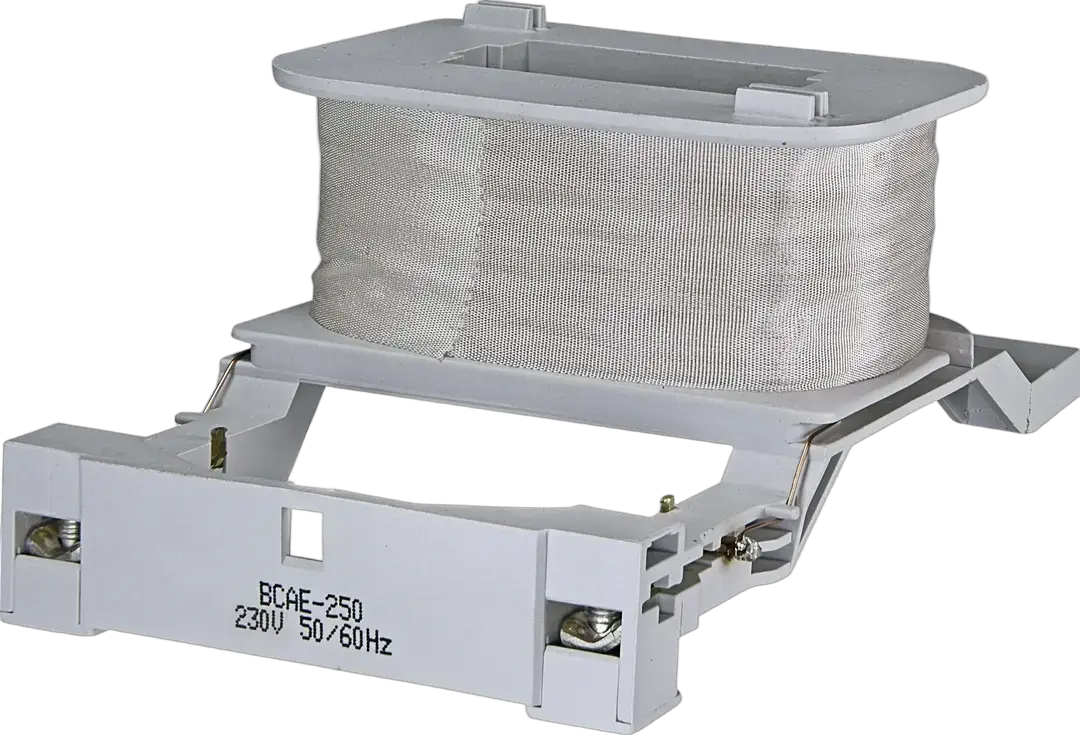
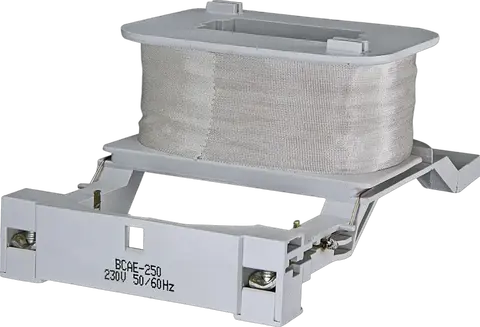
BCAE-250-230V-50/60Hz Coil
- ETI Code:
- 004641863
- To use with:
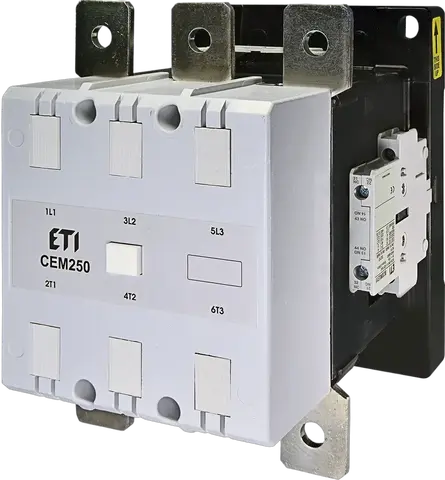
- CEM250
- AC or DC voltage:
- AC
- DC rated control supply voltage Uc:
- 230 V
- Function accessories:
- Individual coil for control voltage contactor
- Catalogue group:
- Accessories CEM/CEAM
- Function:
- Accessories
3 Documents
11 Logistics
Product
- Net weight of the product
- 0.675 kg
- Stock unit of measure
- pcs
Transport Packaging
- Transport packaging quantity
- 1 pcs
- EAN code for a transport packaging
- 7890355110966
- Transport packaging weight
- 0.501 kg
- Transport Packaging Dimensions Height
- 65 mm
- Transport Packaging Dimensions Width
- 140 mm
- Transport Packaging Dimensions Depth
- 80 mm
- Transport packaging volume
- 0.728 dm³
- Pallet quantity
- 1,185 pcs
- Customs tariff
- 85389099
7 ETIM
- Voltage type for actuating
- AC
- Rated control supply voltage AC 60 Hz(Min)
- 230 V
- Rated control supply voltage DC(Min)
- 230 V
- Rated control supply voltage AC 50 Hz(Min)
- 230 V
- Rated control supply voltage AC 60 Hz(Max)
- 230 V
- Rated control supply voltage AC 50 Hz(Max)
- 230 V
- Rated control supply voltage DC(Max)
- 230 V
1 Software & drivers
17 Tags
Accessories 9 All Accessories

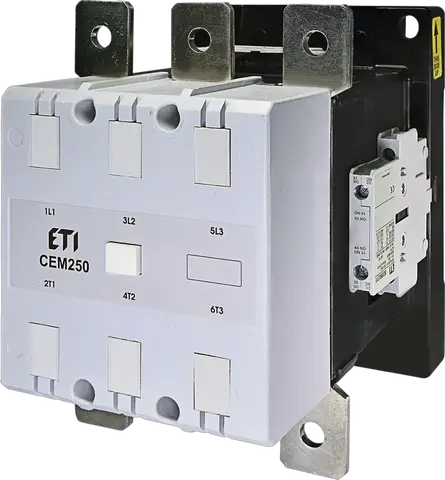
Similar Products 104 All Products
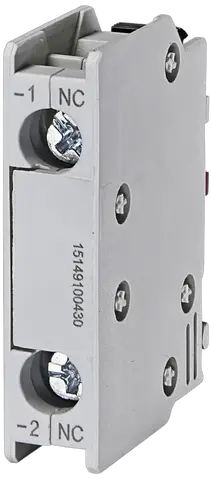
BCXMFE 01 (1NC)
- Class name
- Aux.contacts
- Function accessories
- Auxiliary contact blocks-front mounted
- No. of aux NC contacts
- Rated operational current Ie at AC1
- No. of aux NO contacts
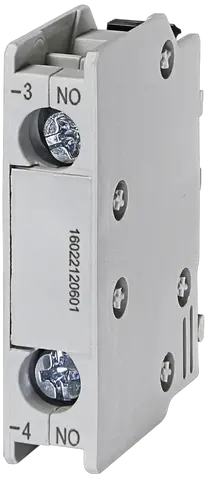
BCXMFE 10 (1NO)
- Class name
- Aux.contacts
- Function accessories
- Auxiliary contact blocks-front mounted
- No. of aux NC contacts
- Rated operational current Ie at AC1
- No. of aux NO contacts
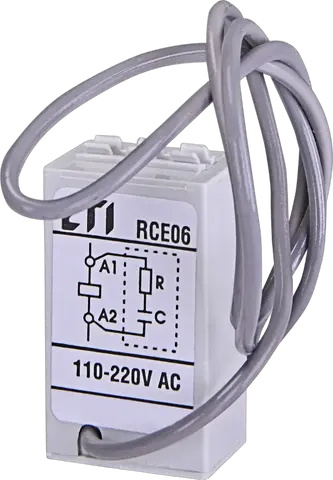
RCE01 24-48 V/AC
- Class name
- RC surge supressor
- Function accessories
- No. of aux NC contacts
- Rated operational current Ie at AC1
- No. of aux NO contacts
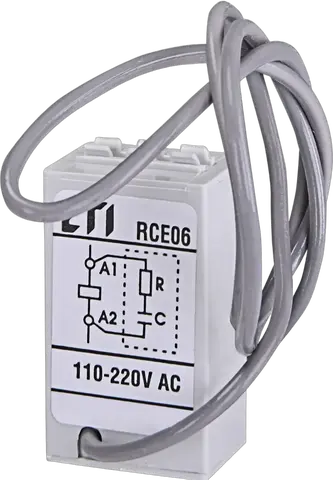
RCE06 110-220V/AC
- Class name
- RC surge supressor
- Function accessories
- No. of aux NC contacts
- Rated operational current Ie at AC1
- No. of aux NO contacts
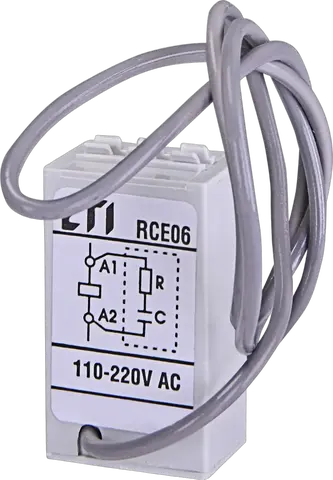
RCE10 380-400V/AC
- Class name
- RC surge supressor
- Function accessories
- No. of aux NC contacts
- Rated operational current Ie at AC1
- No. of aux NO contacts
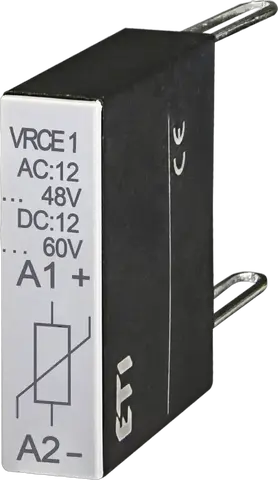
VRCE-1
- Class name
- RC surge supressor
- Function accessories
- No. of aux NC contacts
- Rated operational current Ie at AC1
- No. of aux NO contacts
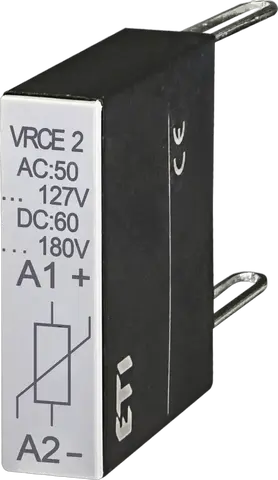
VRCE-2
- Class name
- RC surge supressor
- Function accessories
- No. of aux NC contacts
- Rated operational current Ie at AC1
- No. of aux NO contacts
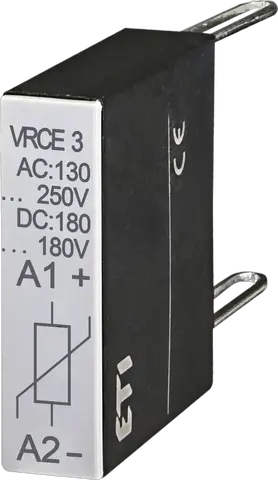
VRCE-3
- Class name
- RC surge supressor
- Function accessories
- No. of aux NC contacts
- Rated operational current Ie at AC1
- No. of aux NO contacts
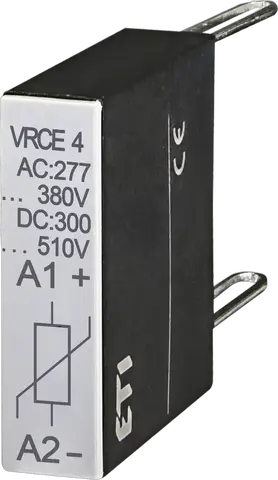
VRCE-4
- Class name
- RC surge supressor
- Function accessories
- No. of aux NC contacts
- Rated operational current Ie at AC1
- No. of aux NO contacts
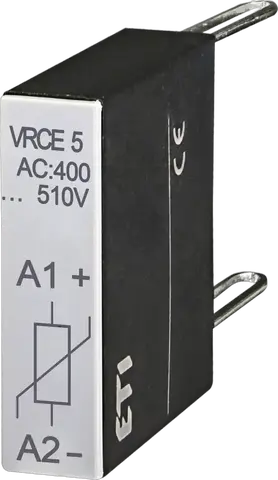
VRCE-5
- Class name
- RC surge supressor
- Function accessories
- No. of aux NC contacts
- Rated operational current Ie at AC1
- No. of aux NO contacts
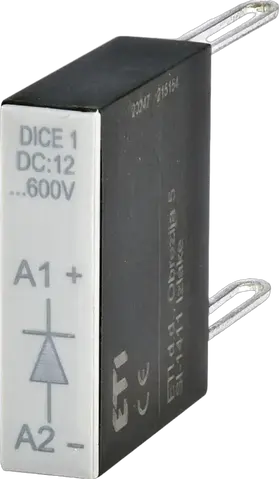
DICE-1
- Class name
- RC surge supressor
- Function accessories
- No. of aux NC contacts
- Rated operational current Ie at AC1
- No. of aux NO contacts
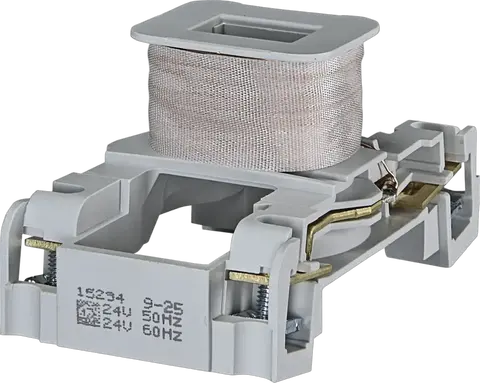
BCAE4-25-24V-50/60Hz
- Class name
- Coil
- Function accessories
- Individual coil for control voltage contactor
- No. of aux NC contacts
- Rated operational current Ie at AC1
- No. of aux NO contacts
Recent Products 8 Send to mail

Related News & Updates
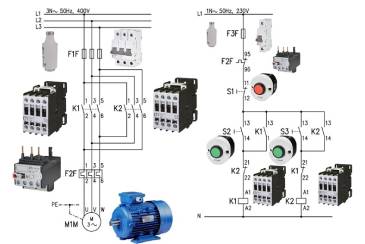
Smart Motor Control: How to Reverse the Rotation Direction of a Three-Phase Motor Safely and Efficiently
Three-phase asynchronous motors are among the most widely used electrical machines in industrial and commercial applications. Their reliability, relatively simple construction, and efficiency make them suitable for conveyor systems, machine tools, pumps, lifting devices, and countless automated processes. In many applications, however, operation in a single direction is not enough. Equipment often requires movement in both directions, making motor direction control an important function of the system design. Let's look at how a classic forward/reverse control circuit works, which components are required, and how protection devices help ensure reliable operation.
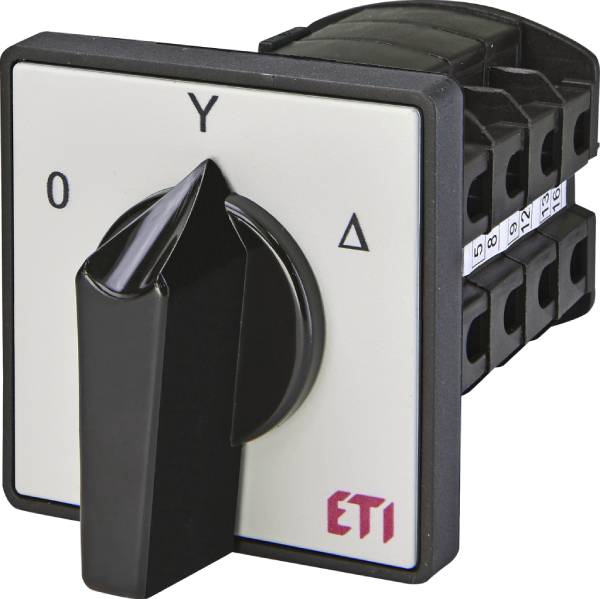
Star-Delta Switch: A Smarter Way to Start Three-Phase Motors
Starting a three-phase induction motor can place considerable stress on both the electrical network and the driven equipment. When a motor is connected directly to the supply, the starting current can reach 3 to 8 times its rated current. This can cause voltage drops, while the high starting torque can create undesirable mechanical shocks.
One proven way to reduce these effects is star-delta starting.